Business Card Materials: Choose the Right Card Stock for Your Brand
Pick from five business card materials to match your brand. Every option prints crisp, professional results.
Dependable, everyday 280 gsm white card at a great value
Heavier 350 gsm, refined stock for a strong first impression
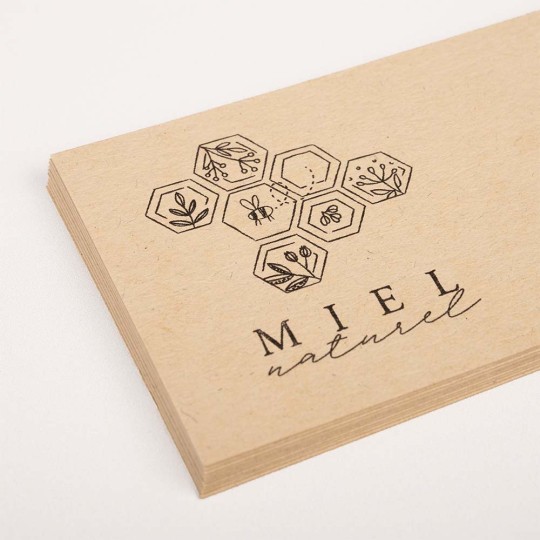
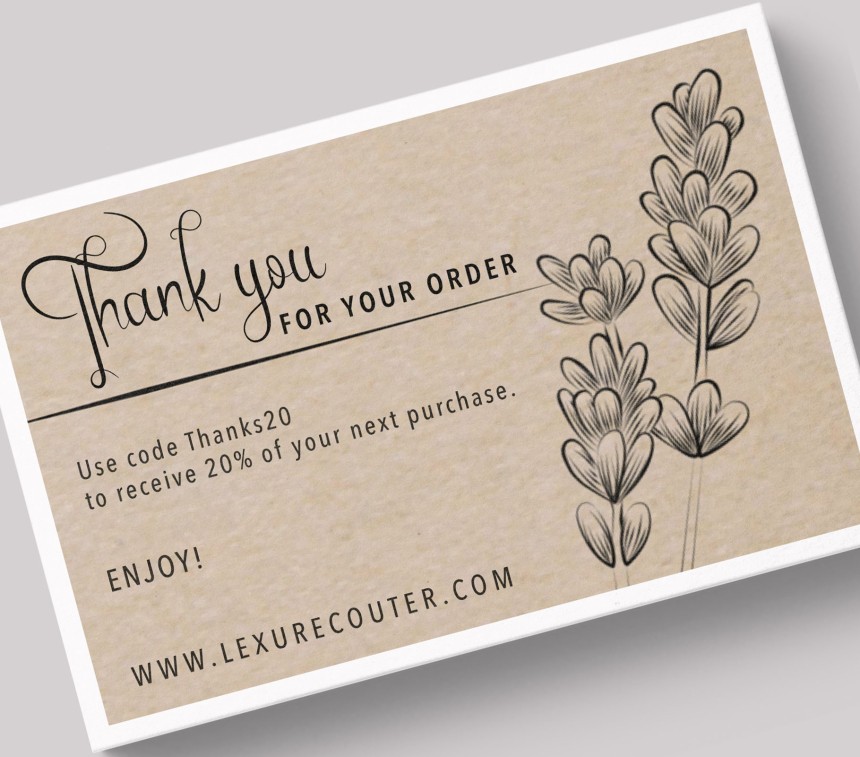
350 gsm natural, unbleached card for artisan brands
Durable 490 gsm, water-resistant plastic that stands out
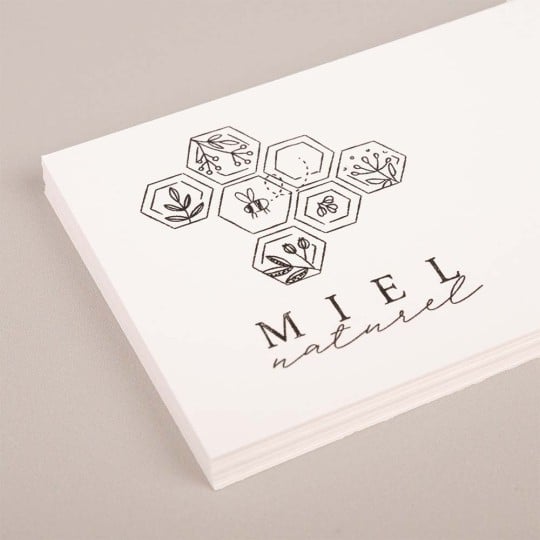
Eco-friendly 350 gsm card made from recycled wastepaper
Compare the different materials
| Stock | Weight/thickness | Appearance | Resistance | Recommended use |
|---|---|---|---|---|
| Standard | 280 g/m² | Slightly satin finish, understated and versatile | Good | Daily use, business |
| Premium | 350 g/m² | Matte, thick, crisp, high-end | Very good | Premium sectors |
| Recycled | 350 g/m² | Natural, slightly textured | Good | Brands committed to social responsibility |
| Kraft | 330 g/m² | Authentic, raw | Good | Craftsmen, creatives |
| Plastic | 491 g/m² | Sleek, modern | Excellent | Heavy-duty, outdoors |
All material stock is offered in the standard 85 × 54 mm and slim format of 90 x 50 mm to ensure a professional presentation and simple compatibility with common uses.
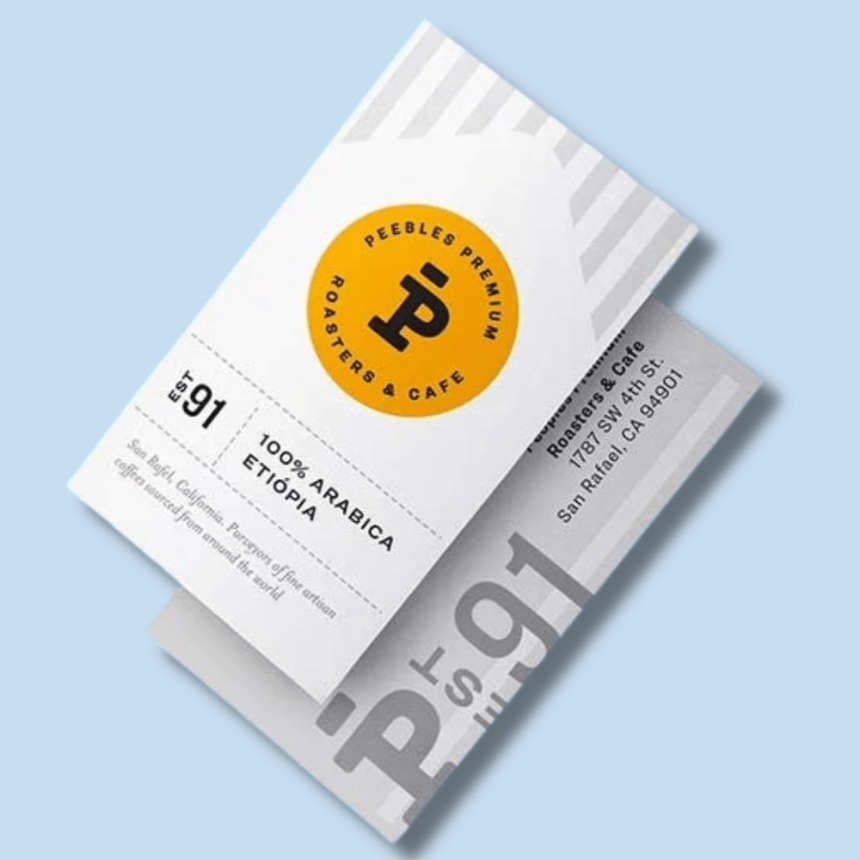
Avery's business card material range at a glance
Choosing the right card stock sets the tone before anyone reads a word. Our range covers five card material types, so you can find a match for any brand style and budget.
- Standard card gives you a dependable, everyday option
- Premium adds weight and a refined feel for a stronger first impression
- Recycled and kraft suit eco-conscious brands
- Plastic delivers a hard-wearing, modern look
Avery has been helping people create professional printed materials for over 90 years, and that experience shows in our card stock range and free design templates. That makes us a genuine one-stop source for varied business card paper stock, whether you want something classic or a card that stands out.
Explore the full business cards collection to see how each material fits together.
Understanding GSM and why card thickness matters
GSM stands for grams per square metre. It measures how much a sheet of card weighs, which is a reliable guide to thickness and sturdiness. A higher number means a heavier, thicker card. Cardstock thickness (GSM) is one of the first details to check when comparing options.
Business card weight and perceived quality
Business card weight affects how a card feels in a hand, and that first touch can shape brand impressions. Thin, flimsy cards may feel cheap, while a solid card can signal quality and care.
Is 250 GSM good for business cards?
250 GSM is a strong, professional choice for most businesses. It holds up well to daily handling without feeling bulky. For extra impact, premium stock at 300 GSM and above feels noticeably more substantial. When comparing business card printing paper across a range, GSM can be used to benchmark durability and perceived quality side by side.
Choosing the right material for your brand
The best material is the one that reflects who you are. Use these pointers when choosing card material that fits your brand personality and everyday needs.
- Kraft for artisan and eco brands: The natural, unbleached look suits makers, cafes and handmade product lines that value an honest, earthy feel.
- Plastic for modern or luxury services: Durable and water-resistant, plastic reads as premium and works well for design studios, salons and forward-looking tech services.
- Premium for high-impression networking: Heavier premium card stock feels considered and confident, ideal when a single meeting could win the deal.
- Standard for versatile, everyday use: A dependable all-rounder for teams that hand out cards often and want reliable value.
- Mind the texture: Business card texture is an easy-to-miss brand touchpoint, so choose a surface that matches the feel you want people to remember.
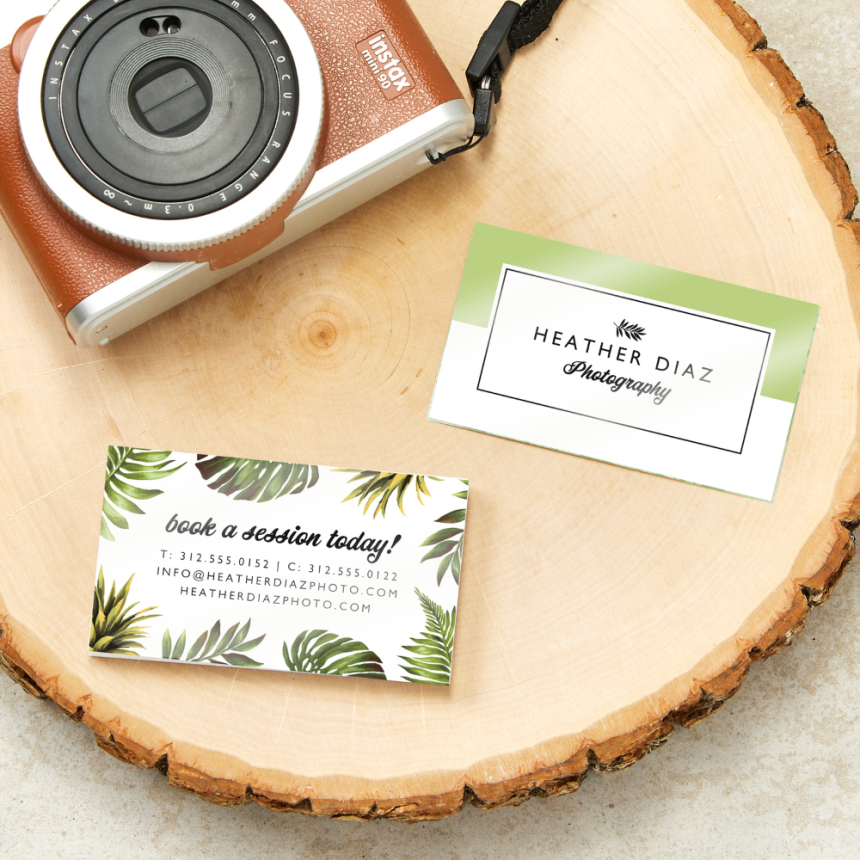
Eco-friendly business card materials: recycled and kraft
Sustainable card material makes a professional impression while keeping environmental impact low.
Recycled Business Cards
A recycled business card uses paper made from 100% recycled wastepaper, bleached without chlorine to create a clean white surface with subtle flecks. A straightforward way to support green brand values through a tangible product choice.
Kraft Business Cards
A kraft business card features a natural, unbleached brown finish and a low-impact composition that suits artisan and rustic brands.
Why Eco-Friendly Card Stock Matters
For businesses with sustainability commitments, B Corp ambitions, or an eco-conscious customer base, eco-friendly card stock signals those values at first contact. Recycled and kraft options show that responsible choices and a polished look can work together.
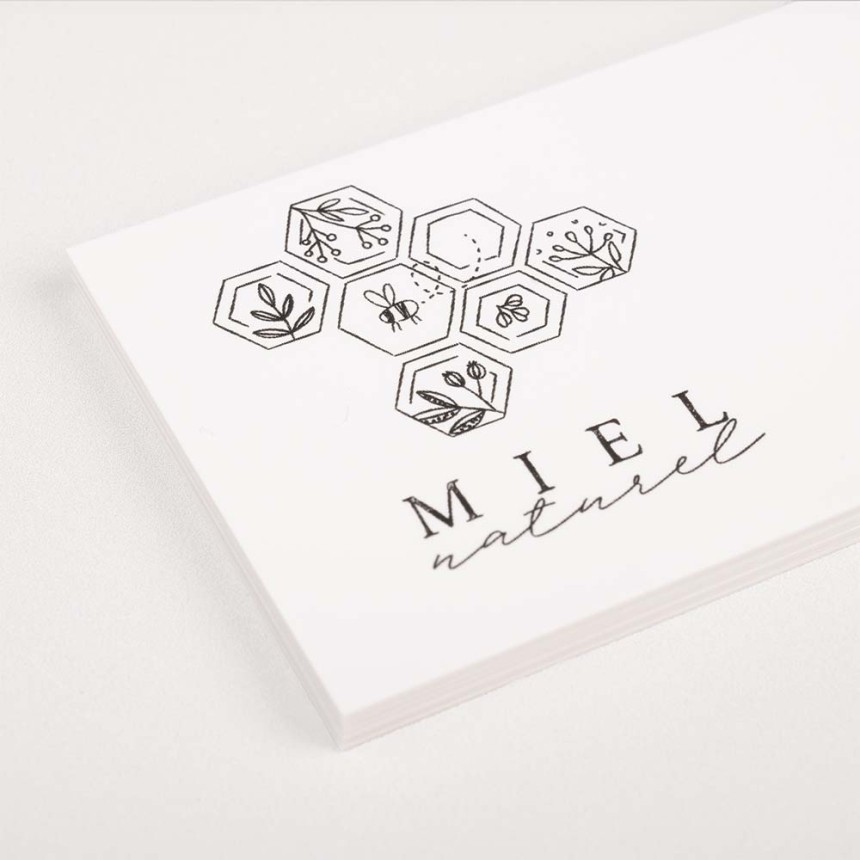
Plastic and premium card stock: when you want to stand out
When a card needs to last and get noticed, plastic and premium stock deliver. Plastic business cards are durable, water-resistant, and difficult to crease, helping them survive wallets, pockets, and busy events far longer than paper. A smooth, distinct feel creates an immediate sense of something different in the hand.
Premium card stock earns its name through a heavier GSM, a refined finish, and enhanced print quality that helps colours and fine details look their best.
Both options suit high-impression first contacts, luxury services, creative industries, and networking events where only one chance exists to make an impact. On cost versus impact, the extra spend is often easy to justify when a single memorable card can open a valuable door, though everyday, high-volume handouts may not require it. Business card paper stock selection works best when matched to the moment.
Frequently asked questions
Yes, 250 GSM is a solid, professional weight that suits most business cards. It feels substantial in the hand and stands up to daily use without being bulky. For an even more premium feel, look at heavier stock around 300 GSM and above.
Business cards commonly use card stock between roughly 200 and 350 GSM, in materials such as standard card, premium, recycled, kraft and plastic. Paper-based options are the most popular for everyday use, while plastic suits cards that need to last. The right choice depends on your brand style, budget and how the card will be handled.
A good material is one that matches your brand and how the card is used. Premium card works well for high-impression meetings, kraft and recycled suit eco-minded brands, and plastic is best when durability matters. Standard card is a reliable, versatile choice for general everyday networking.
The cost of printing 1,000 business cards depends on the material, GSM, finish, whether the card is single or double sided, and if you print yourself or use a professional service. Heavier premium and plastic stocks and special finishes usually cost more than standard card. Printing your own on A4 sheets is often the most economical route for larger runs.
A common mistake is choosing card purely on price and ending up with stock that feels thin or cheap. Others include picking a finish that clashes with fine logo detail, such as glossy causing glare, and not checking printer compatibility before buying. Ordering a sample first helps you avoid these issues.